City guides
City guides (410)

Salalah City Guide
Oman
Capital of Oman's southern Dhofar Governorate, Salalah is the Arabian Peninsula's most distinctive resort city, its Khareef monsoon turning the surrounding hills lush and green each summer and drawing waves of Gulf tourists to a coastline that contrasts sharply with the rest of the region's deserts. For foreign investors the gateway is the Integrated Tourism Complex (ITC) framework, principally the Hawana Salalah resort and Salalah Beach, where non-Omanis can own freehold apartments, chalets and villas and gain Omani residency on completion. Pricing in these flagship resorts runs at roughly USD 3,300-3,900 per square metre, with two-bedroom beachfront villas around USD 440,000. Prime Omani locations including Salalah have seen values rise about 5.7% a year, and Dhofar is forecast to post Oman's fastest growth, a roughly 7.8% CAGR through 2031, powered by the 7.3 km2 New City Salalah masterplan and its 12,000 planned homes. Holiday rentals in Hawana Salalah generate a realistic 7-10% gross yield in season, and Oman levies no property income or sales tax, making Salalah a tax-efficient, tourism-led Gulf alternative to Muscat and Dubai.
Sohar City Guide
Oman
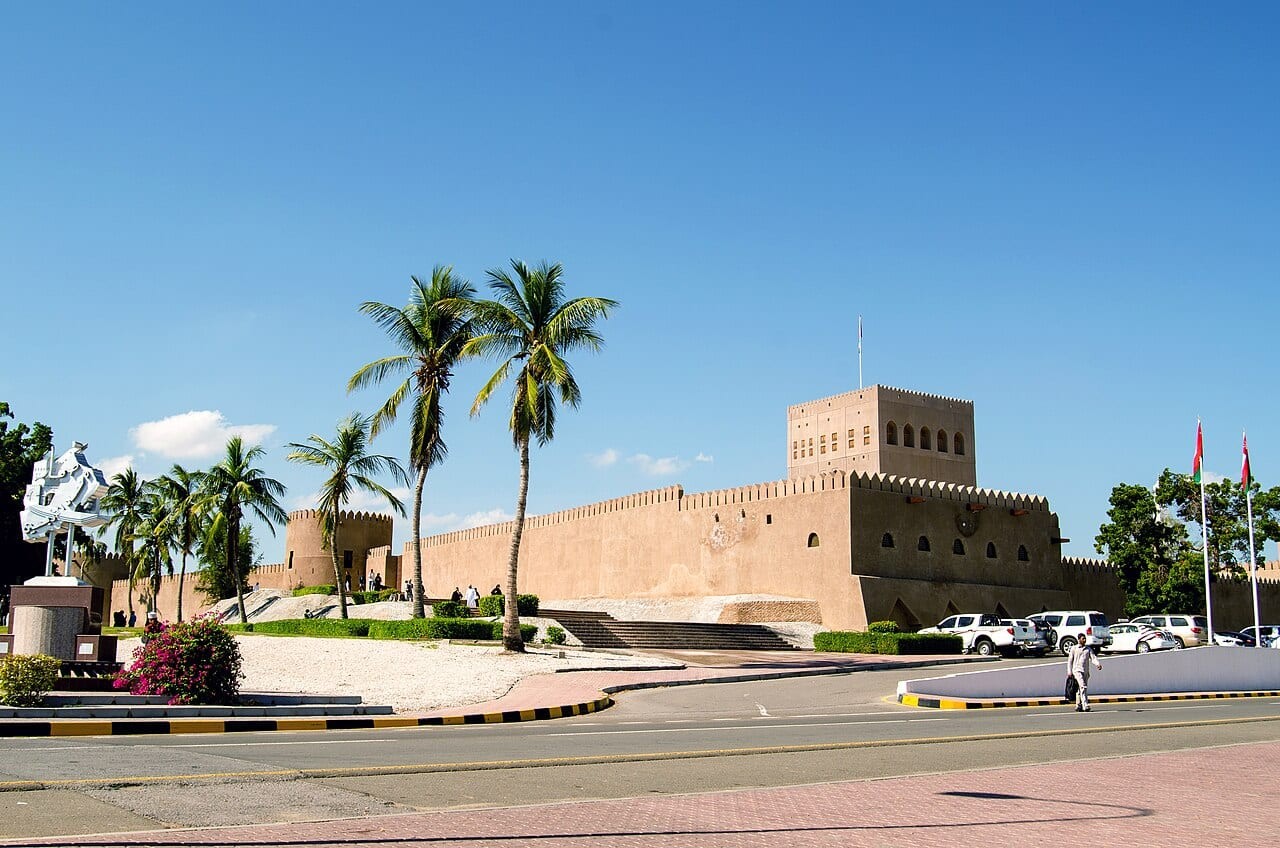
Sohar is the capital of Al Batinah North and Oman's leading industrial port city, anchored by the Port of Sohar and its adjacent free zone, which handle roughly 60 million tonnes of cargo a year and host more than RO 2.3 billion of committed investment. Property here is more affordable than Muscat, with residential pricing of roughly USD 1,300-1,800 per square metre, and rental yields generally run 5-8% gross driven by industrial-sector employment. Foreign buyers must be realistic, however: outside designated Integrated Tourism Complexes (ITCs), non-Omanis cannot own freehold land in Sohar, so most of the city remains Omani-ownership or leasehold/usufruct, and the freehold route depends on future ITC-grade resort projects rather than the existing housing stock.
Boquete City Guide
Panama
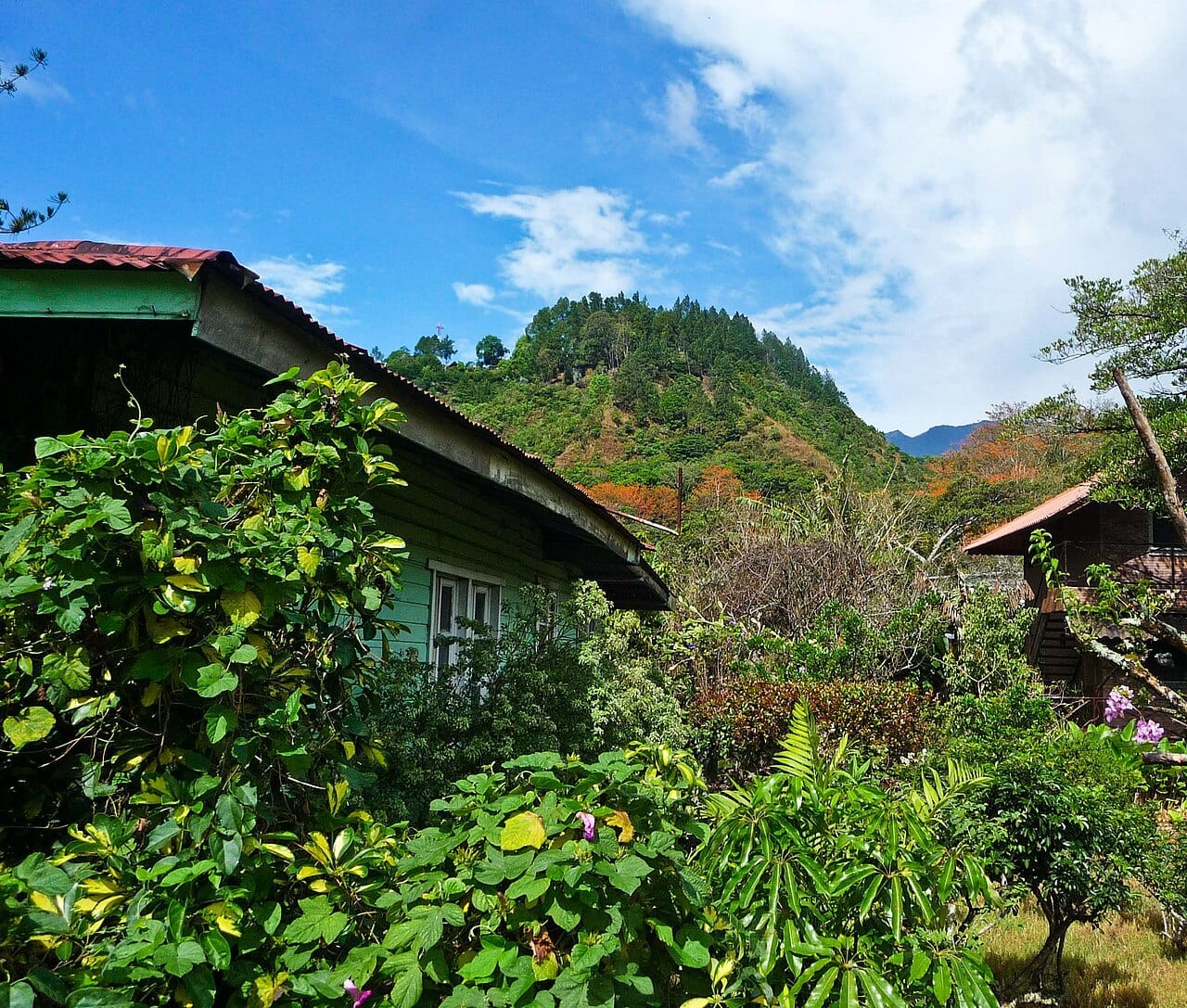
Perched at around 1,000-1,200 metres in the Caldera River valley of Panama's western Chiriqui province, in the shadow of the Baru volcano, Boquete is Central America's best-known highland expat and retiree destination. Its spring-like climate, lush coffee-growing landscape and high quality of life draw a steady stream of North American and European retirees, remote workers and lifestyle buyers, expats make up an estimated 10-15% of the roughly 25,000-strong area population. The market spans from modest local-style homes around USD 100,000-180,000 to mid-tier mountain-view properties at USD 200,000-500,000 and luxury gated-community villas selling at roughly USD 1,800-2,800 per square metre; the median sale price sits near USD 249,000. Panama uses the U.S. dollar as legal tender, eliminating currency risk for dollar-based buyers, and allows foreigners to own titled property outright without a local partner or prior residency. With limited new inventory, resale prices for villas and boutique cottages have been rising around 6% annually into 2026. Gross rental yields run roughly 4-6%, supported by seasonal North American winter tourism and year-round Airbnb demand near the town centre. Panama's Pensionado and Qualified Investor visa programmes, the latter's USD 300,000 real-estate threshold set to rise in late 2026, reinforce Boquete's appeal as a lifestyle-and-residency play.
Panama City
Panama
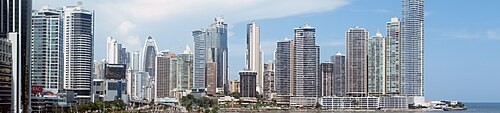
Panama City is Central America's most cosmopolitan and most internationally connected capital -- a dollarised financial hub with a Singapore-like skyline along the Panama Bay, anchored by the Panama Canal, the Colon Free Zone, and one of Latin America's most active banking sectors. The city has long attracted retirees on the Pensionado Programme, finance professionals, and capital seeking dollar-denominated emerging-market exposure. Residential prices in prime districts (Costa del Este, Punta Pacifica, San Francisco, El Cangrejo, Bella Vista) range from USD 2,000-4,500 per square metre, with gross yields of 6-9%. Panama uses the US dollar as its currency (alongside the symbolic Balboa), eliminating FX risk entirely for USD-based investors -- a rare feature in Latin America. For international buyers, Panama City offers USD-denominated everything, open foreign ownership, the Pensionado retiree visa (renewable, generous benefits), and a deep institutional banking sector. The catch: tropical climate (hot/humid year-round), some areas overbuilt during the 2010s boom, and rental tenant pool is thinner than Mexico City.
Arequipa City Guide
Peru
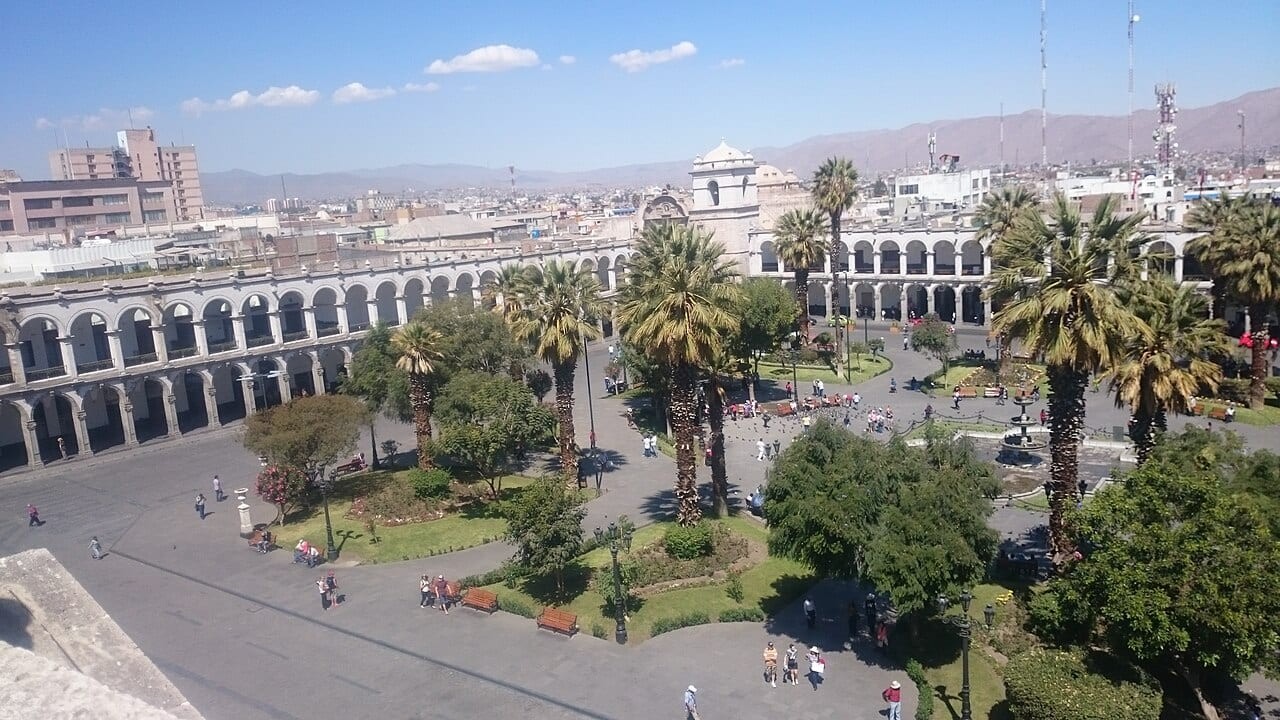
Arequipa is Peru's 'White City' (Ciudad Blanca), a UNESCO World Heritage historic centre built from pearly volcanic sillar stone and framed by the snow-capped Misti volcano, alongside Chachani and Pichu Pichu. As Peru's second city and the commercial hub of the south, it pairs a deep domestic owner-occupier base with strong tourism anchored by the 16th-century Santa Catalina Monastery and its role as gateway to the Colca Canyon. For investors it offers entry prices roughly 30–45% below prime Lima with comparable build quality, a stable USD-priced premium market, and demand split between expats/professionals and a growing middle class, rewarding buyers who target the established northwest residential belt.
Cusco
Peru
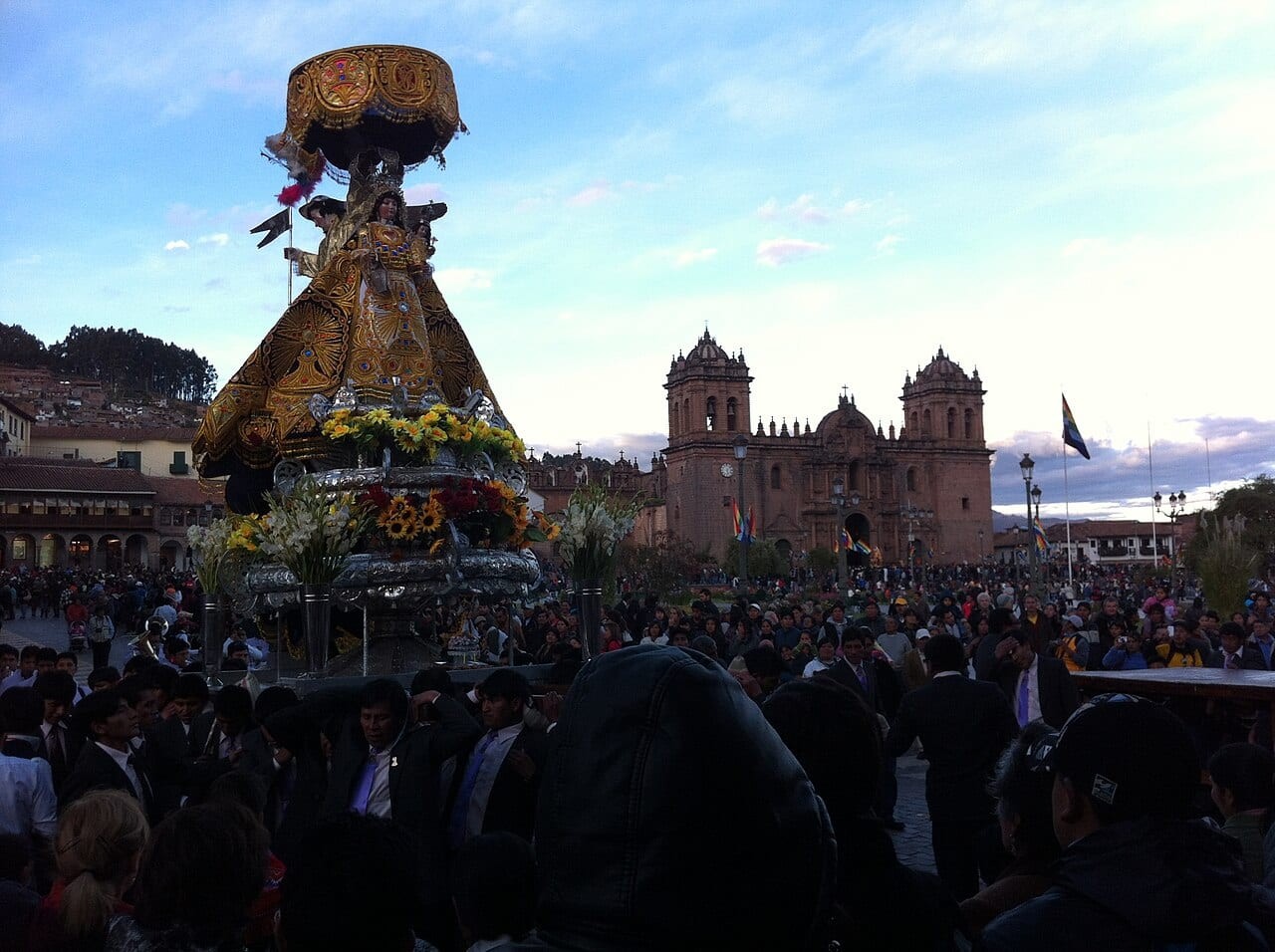
Cusco, the ancient Inca capital and UNESCO World Heritage gateway to Machu Picchu, is one of Peru's most distinctive investment markets, driven almost entirely by tourism. In 2026 residential prices average roughly USD 900-1,200 per square meter, well below Lima's coastal premiums, while urban land in secondary zones trades at USD 80-250 per square meter. Long-term gross rental yields run just under 6%, but apartments and casonas in the Centro Historico configured for short-term tourist and digital-nomad rentals frequently clear 8-12% gross at the cost of pronounced June-August seasonality. Year-on-year price growth sits in the 3-5% range for the broader Cusco metro, with stronger appreciation in walkable heritage pockets where supply is constrained by strict renovation rules. Peru offers foreign buyers full freehold ownership registered at SUNARP with the same protections as nationals; Cusco sits far inland and is unaffected by the constitutional 50km border-zone restriction. Investors should budget for heritage-building permitting in protected areas and factor occupancy volatility tied to the tourist calendar. The metro population is around 450,000, anchored by year-round visitor flows of over two million tourists, a captive student base, and a growing remote-worker community drawn by climate and connectivity.

Lima
Peru
Lima is Peru's capital and economic engine, a Pacific-coast metropolis of roughly 11.5 million people whose clifftop districts of Miraflores and Barranco overlook the ocean along the Costa Verde. It is the core of Peru's property market, supported by one of Latin America's most stable currencies, low inflation and a structural housing deficit. The investor market concentrates in a handful of affluent, walkable districts, where gross yields average around 6.5% and prices have grown modestly in real terms. Lima's world-renowned dining scene and scarce ocean-view land sustain premium demand, while a tightening construction pipeline and the coming Metro Line 2 underpin the medium-term outlook.
Máncora
Peru
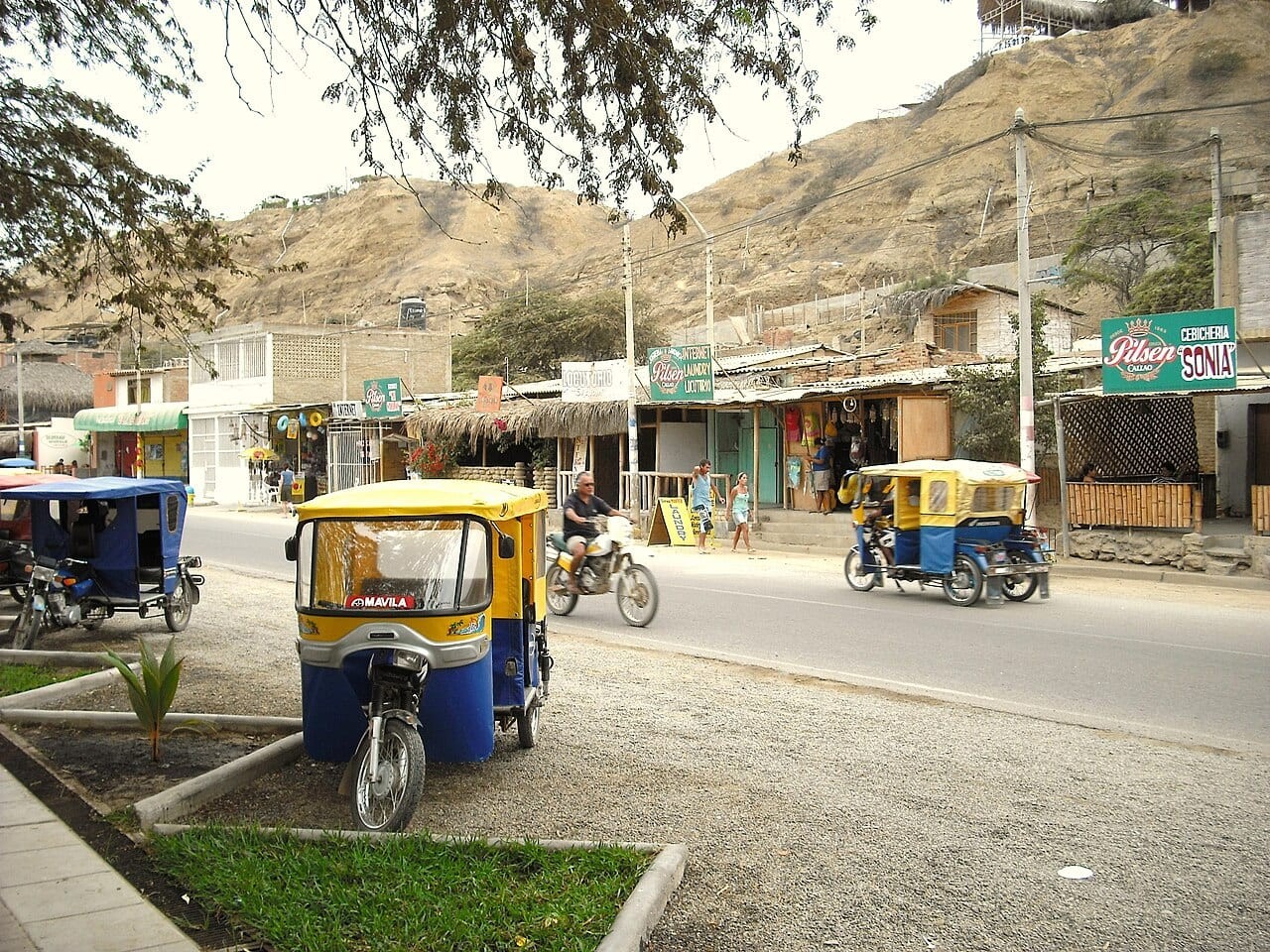
Máncora is Peru's premier beach resort town, a sun-soaked surf destination on the northern Pacific coast prized for year-round warm water, consistent swell and a hospitality economy that runs on tourism. The market is small and resort-driven: beachfront and ocean-view villas in exclusive enclaves like Las Pocitas and Vichayito command the premium, while the lively town strip offers cheaper entry. In 2026 quality beachfront construction trades broadly at USD 1,200-2,000 per square meter, with prime Las Pocitas land and finished villas well above that. The economics center on vacation rentals: nightly demand from domestic and international travelers supports gross yields commonly in the 6-8% band, and higher for well-managed boutique stock, though occupancy is seasonal and weather-sensitive. Peru grants foreign buyers full freehold title registered at SUNARP; Máncora lies in Piura region but comfortably south of the 50km Ecuador-border restricted zone near Tumbes, so standard ownership applies, though buyers must verify clean titles and beach-zone setbacks. Year-on-year appreciation runs in the mid-single digits as Peru's north-coast tourism expands. The resident population is modest, around 13,000, swelling sharply in the high season and around long weekends.
Paracas
Peru
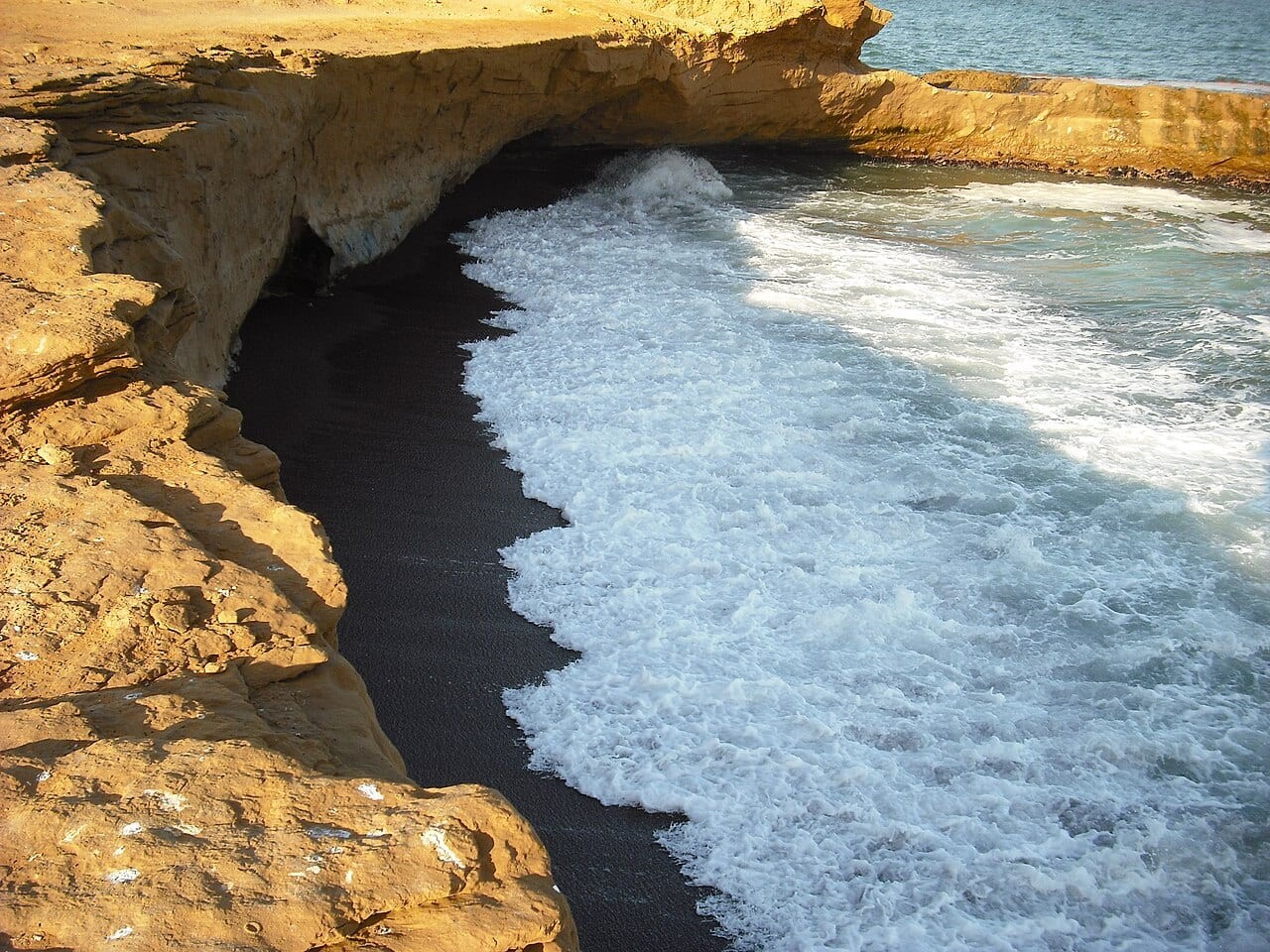
Paracas, on the desert coast of Ica region about four hours south of Lima, is Peru's marquee upscale beach-and-nature resort, anchored by the Paracas National Reserve and the wildlife-rich Ballestas Islands. It is a planned, second-home and tourism market rather than a residential city, with developments like Condominios Nauticos and marina-side projects setting the tone. In 2026 the median condo sells for roughly USD 185,000 at about USD 1,265 per square meter, with two-bedroom waterfront units averaging higher; modern seafront apartments rent for around 2,500-3,500 soles per month, and short-let demand from Lima weekenders and international visitors supports gross yields that can reach 5-7%. Supply is limited and seasonality is pronounced, concentrated around summer and long weekends. Foreign buyers receive full freehold title registered at SUNARP with the same protections as Peruvians, and Paracas sits on the central-south coast far from any 50km border restriction, though buyers must verify clean titles and any reserve-related zoning setbacks. Year-on-year appreciation runs in the mid-single digits as Lima-driven second-home demand grows and the resort's hospitality base expands. The permanent population is small, around 7,000, swelling heavily in peak season.
Trujillo
Peru
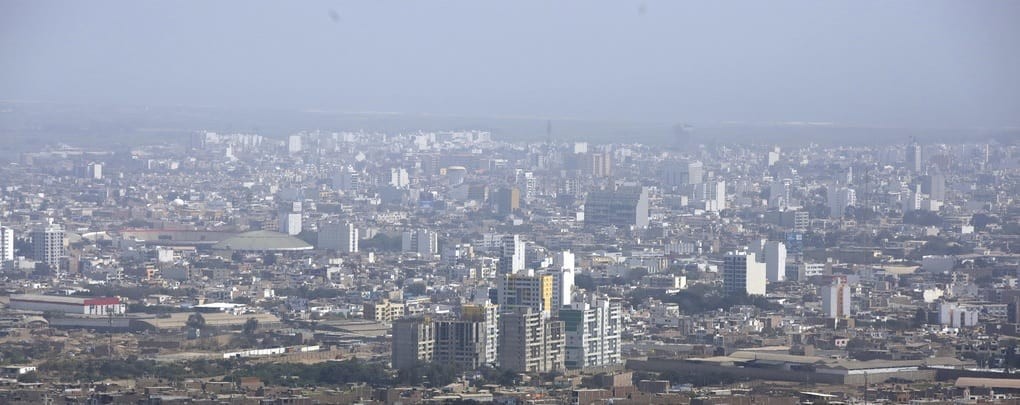
Trujillo, Peru's third-largest city and capital of La Libertad on the northern coast, is the country's strongest value-and-yield market among major cities. Famous for its colorful colonial center, the Chan Chan archaeological complex and a thriving agro-industrial and services economy, it offers some of the cheapest entry among Peru's agglomerations: residential prices run roughly USD 800-1,000 per square meter, and 50-70 m² apartments can be found in the USD 35,000-50,000 range. Crucially, gross rental yields are among the country's highest, with Numbeo data showing around 7.2-7.4% in and outside the center, supported by steady demand from local professionals and a large student population. The metro is also a recognized appreciation story: secondary cities like Trujillo have posted 4-9% annual price growth on infrastructure investment and supply constraints, with a forward outlook near 3-5% real annual gains. Foreign buyers enjoy full freehold ownership registered at SUNARP with the same rights as nationals, and Trujillo's central-coast location sits far from any 50km border restriction. Mortgage rates near 7.4% make financing comparatively accessible. The metro population is approximately 1 million, giving the market depth and liquidity unusual for a Peruvian regional city.

Kraków City Guide
Poland
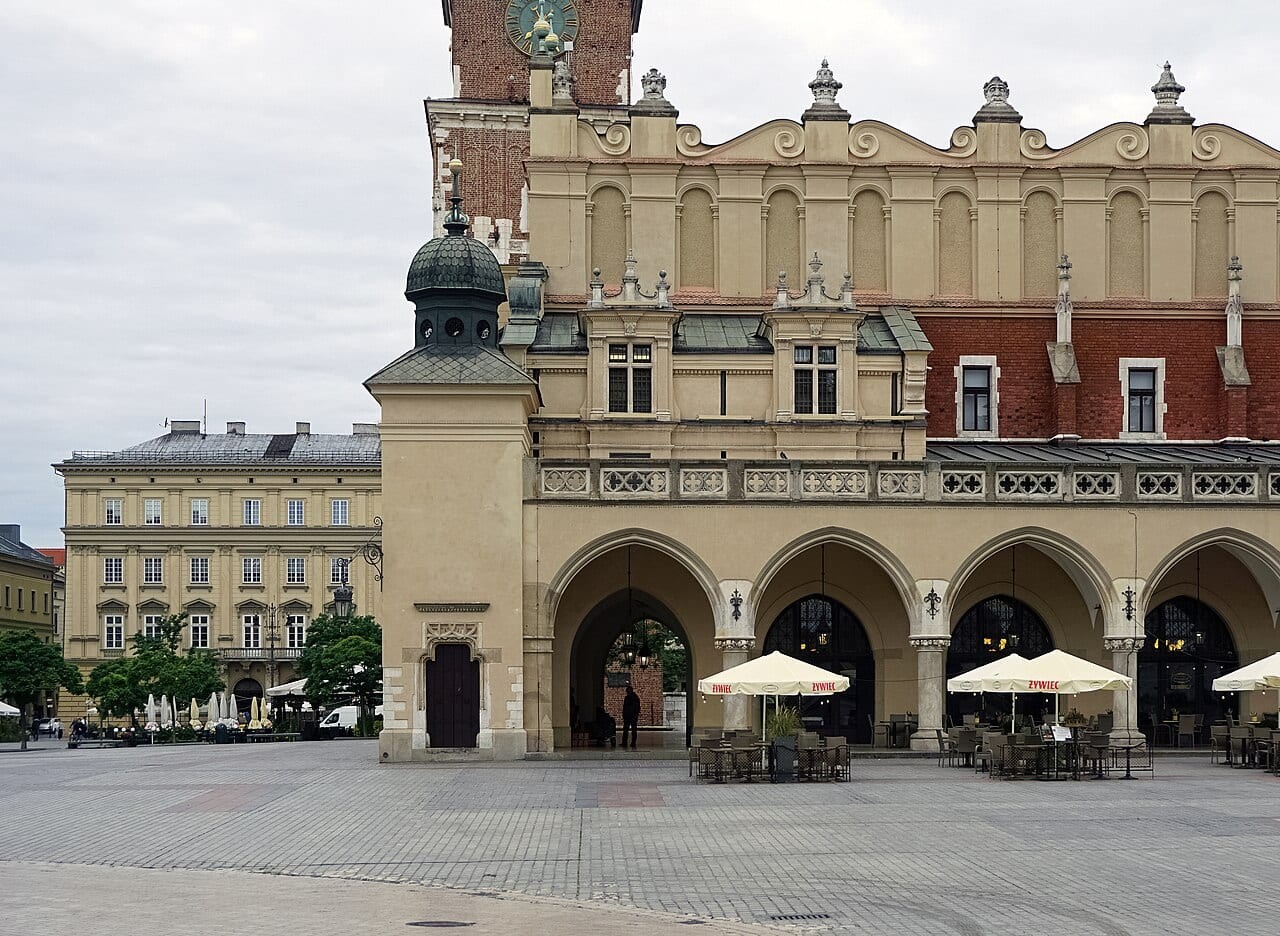
Kraków is Poland's second-largest city (~804,000 in the city, ~1.43 million metro) and the historic royal capital. Its medieval Old Town, anchored by the vast Rynek Główny (Europe's largest medieval market square) and Wawel Royal Castle, was inscribed on the UNESCO World Heritage List in 1978, among the world's first twelve sites. Heritage tourism is a defining economic force: Kraków drew roughly 7–9 million visitors a year in 2023–2024, sustaining one of Central Europe's deepest short-term-rental and hospitality markets. Beyond tourism, Kraków is a major technology, BPO and shared-services hub, frequently ranked among Europe's top outsourcing destinations, with 84,500+ IT professionals and operations for IBM, Google, Cisco, Ericsson and others. This is underpinned by a huge student population: ~23 higher-education institutions and roughly 130,000–150,000 students, led by the Jagiellonian University (founded 1364, Poland's oldest) and AGH University. For investors, Kraków combines the demand-side strengths of a top tourist city, a deep graduate/young-professional rental pool, and a constrained, heritage-protected central housing supply. It is Poland's 2nd-priciest residential market after Warsaw, and prices are quoted in PLN, currency risk vs the euro is a real consideration. Non-EU buyers can purchase standalone apartments without a permit (only land/houses need an MSWiA permit), and Poland has no golden visa, buying property grants no residency.
Warsaw City Guide
Poland
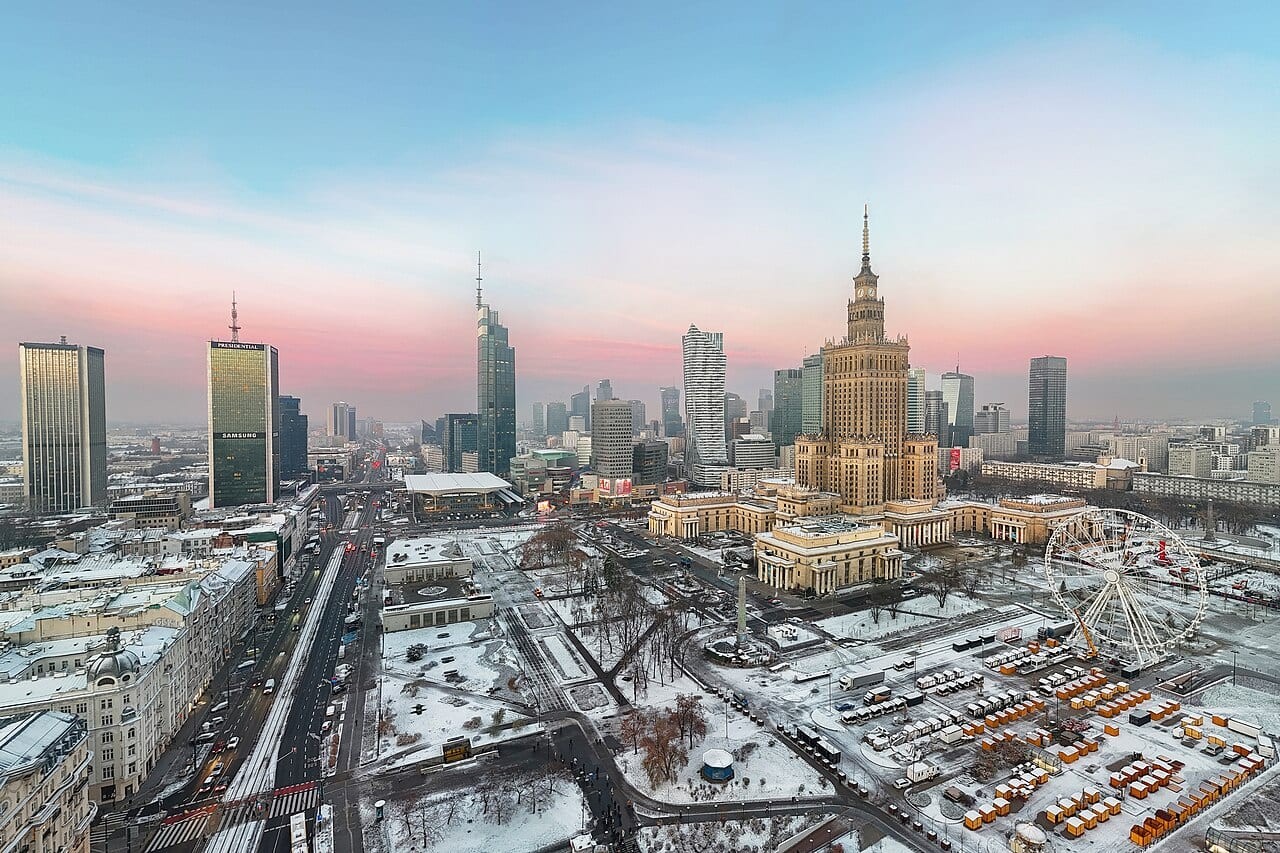
Warsaw is Central and Eastern Europe's most liquid and dynamic property market, anchored by Poland's standing as one of the EU's strongest-growing major economies. As the capital of a ~38-million-person nation that has avoided recession for three decades, the city combines deep domestic demand, a fast-expanding services and tech sector, and a maturing institutional investment scene. Residential prices have risen sharply since 2020 but remain well below Western European capitals, roughly €4,000–4,800/m² citywide versus €10,000+ in Paris or London, leaving room for the 'economic convergence' thesis that values and rents rise faster here than in mature markets. The market entered a stabilisation phase in 2025 after several years of double-digit growth: Q1 2025 resale prices averaged ~16,460 PLN/m² (+8.1% YoY), while the broader seven-city market cooled to roughly flat YoY by Q3 2025 as affordability and the end of subsidised-mortgage schemes tempered demand. Gross rental yields remain attractive by EU-capital standards at roughly 5–6.5%, supported by a structural rental shortage and strong student/expat demand. For foreign investors, Warsaw's appeal is reinforced by an open ownership regime, non-EU buyers can purchase standalone apartments with no permit, low transaction friction (2% transfer tax on resale), and a value gap against Western Europe. The main risks are PLN currency exposure, the recent cooling in price momentum, and a national short-term-rental registration regime taking effect from May 2026.
Dorado
Puerto Rico
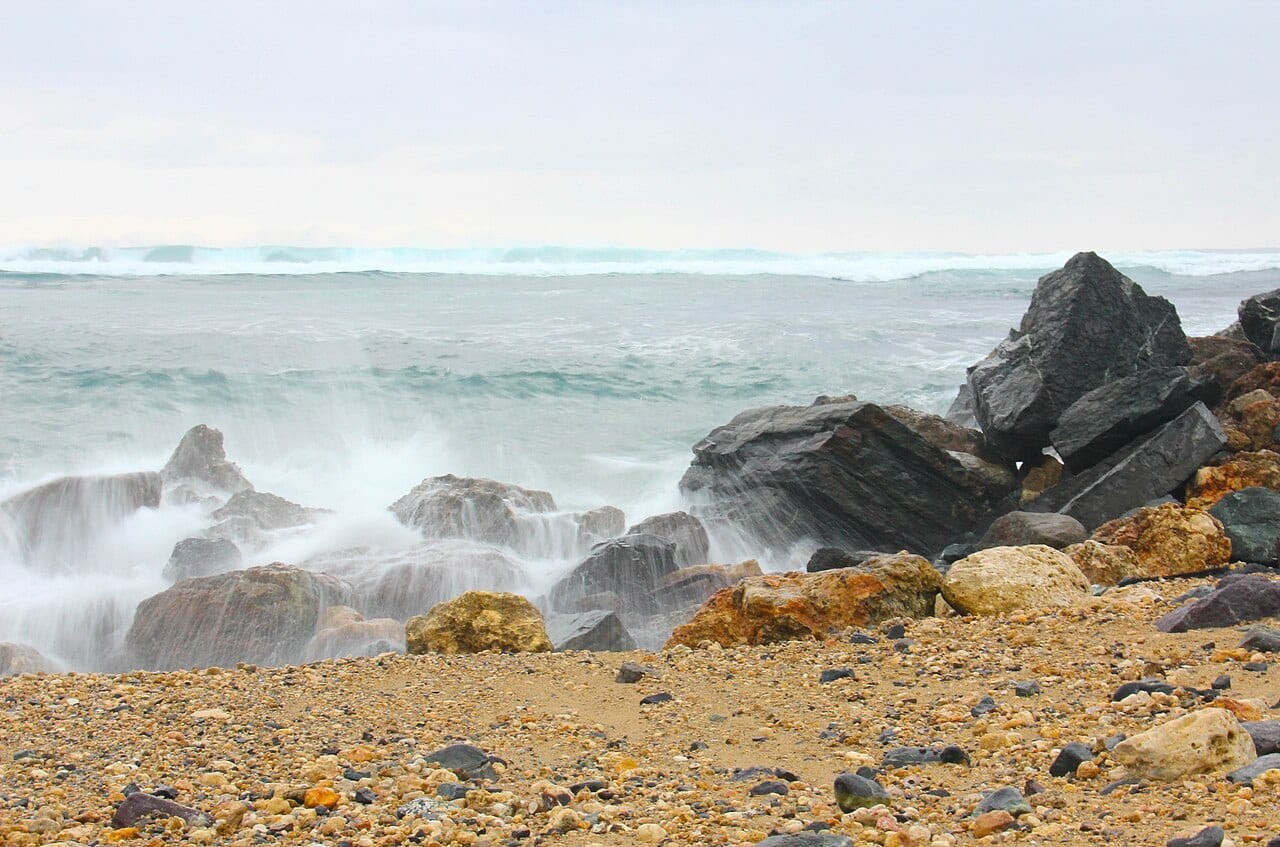
Dorado, on the north coast about 30 minutes west of San Juan, is Puerto Rico's most exclusive and most expensive real estate market - anchored by the gated Dorado Beach resort, a Ritz-Carlton Reserve community built around a former Rockefeller estate. As a U.S. territory, Puerto Rico places no restrictions on foreign or mainland ownership: buyers acquire freehold in U.S. dollars with standard title insurance. Act 60 is the defining force here; qualifying new residents secure 0% capital gains on post-residency appreciation, a 4% corporate rate for eligible export-services businesses, and major income-tax exemptions, and they must buy a primary residence within two years of their decree - which is why the wealthiest relocatees cluster in Dorado Beach. Pricing reflects that: entry condos and villas start near $800,000-$1.5M, single-family homes in Dorado Beach East and Plantation Village run $2.5M to $12M, and trophy estates in Legacy, The Enclave, and Dorado Beach Estates command $10M to $25M-plus, with 2026 median asking around $6M-$8M. Constrained supply against relentless relocatee demand has driven 38%-65% appreciation since 2020, with the luxury segment still appreciating 6%-14% year-over-year. Short-term luxury rentals command $10,000-$200,000 per month. Outside the gates, the town of Dorado offers more attainable beach and residential stock.
Ponce
Puerto Rico
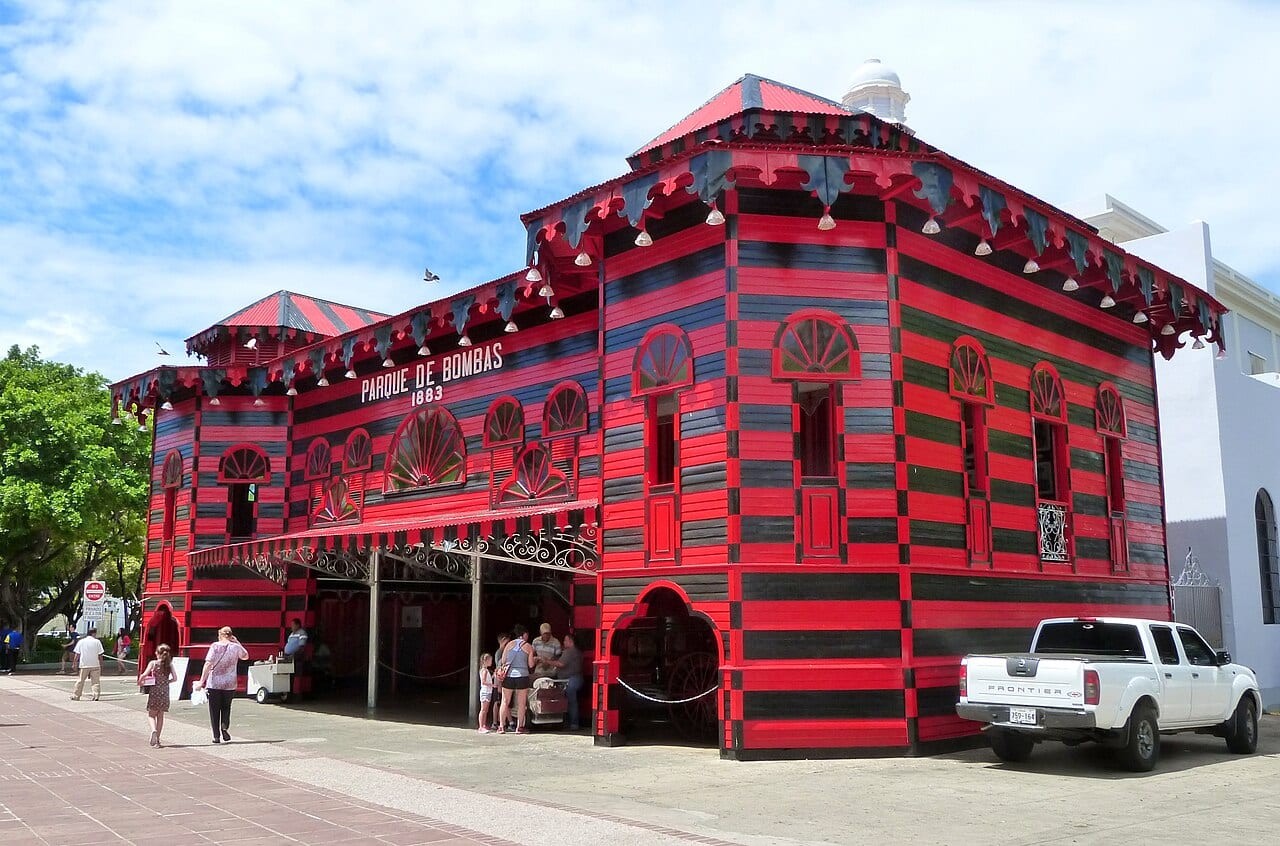
Ponce, the "Pearl of the South," is Puerto Rico's second city and the cultural capital of the south coast - a city of more than 130,000 known for neoclassical and Spanish-colonial architecture, the landmark red-and-black Parque de Bombas, and a well-preserved historic center. As a U.S. territory, Puerto Rico places no restrictions on foreign or mainland ownership; buyers acquire freehold in U.S. dollars with title insurance, and Act 60 incentives apply island-wide, though Ponce's appeal is value and rental fundamentals rather than ultra-luxury relocation. Pricing is dramatically more attainable than San Juan or the coastal resort towns: single-family homes average around $372,500, condos near $349,000, and the market hovers around $156 per square foot - among the best value on the island. A large resident population of over 130,000 provides a deep, stable long-term tenant base supporting gross yields commonly in the 6%-8% range. While island luxury appreciation ran 6%-14% year-over-year into Q1 2026, Ponce's mid-market has appreciated more modestly, offering a lower-cost, cash-flow-oriented entry. A decade of district renovation has revitalized residential areas and the colonial core, steadily attracting new residents and investors to the south coast.
Rincón
Puerto Rico
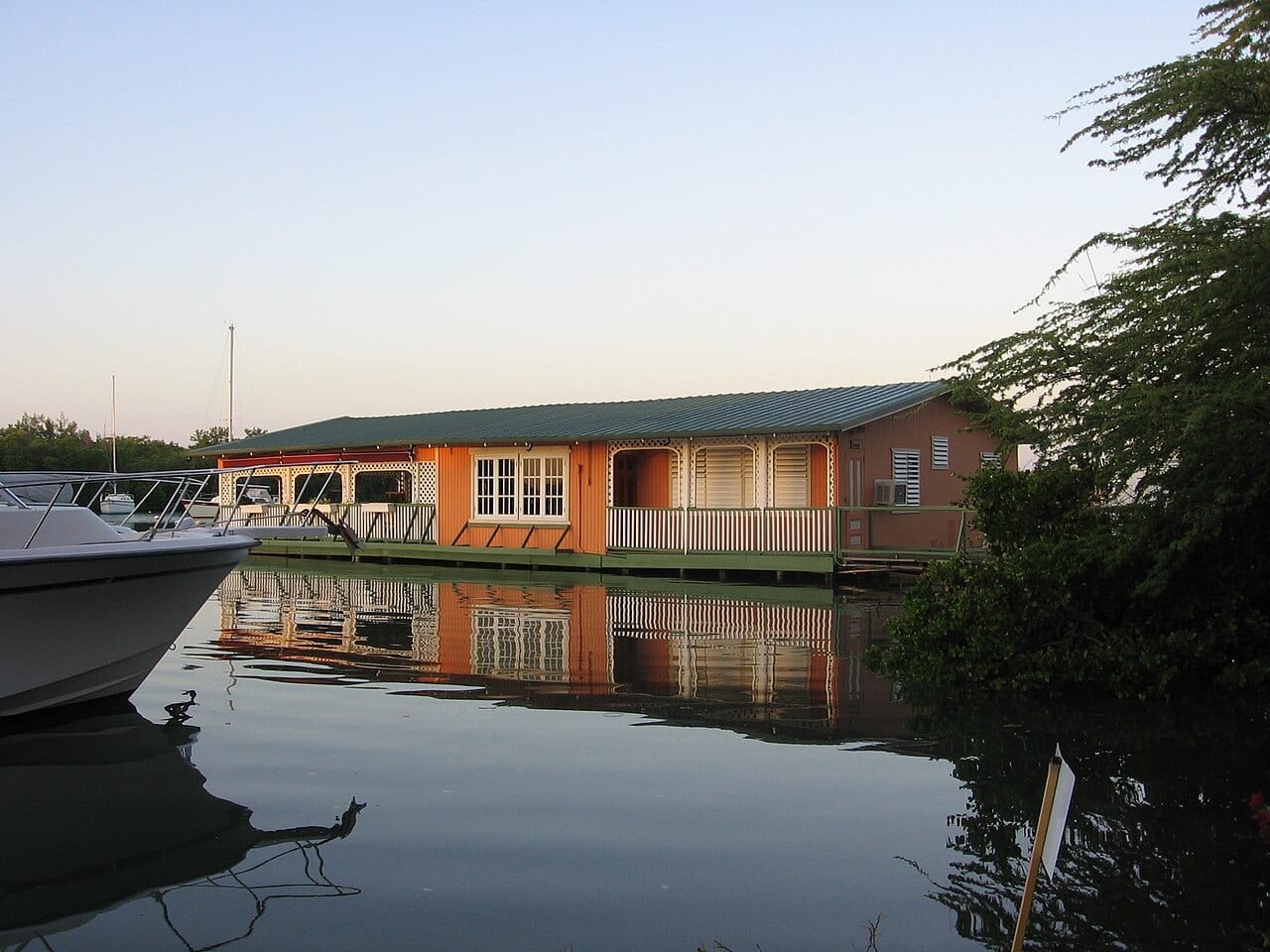
Rincón, on Puerto Rico's west coast, is the island's surf capital and most established vacation-rental town - a laid-back beach community famed for world-class waves, sunsets, and a steady influx of surfers, remote workers, and luxury vacationers. As a U.S. territory, Puerto Rico imposes no foreign-ownership restrictions; mainland and international buyers acquire freehold in U.S. dollars, and Act 60 tax incentives reach the west coast too, though Rincón's draw is lifestyle and rental yield more than ultra-luxury relocation. In 2026 the average condo trades around $1.66M at the high end, with condos selling near $310 per square foot; oceanview lots run $100,000-$400,000-plus and inland parcels start near $60,000, giving a wide range of entry points. The investment story is short-term rental performance: limited hotel infrastructure funnels tourists into private rentals, with STR datasets showing 43%-48% average occupancy and $255-$260 ADRs, while top-decile beachfront listings reach 79%-plus occupancy and $350-plus nightly in peak season. Prime beachfront and surf-adjacent property delivers the west coast's highest ROI. Appreciation tracks the island's broader 6%-14% luxury trend, supported by constrained coastal supply and rising remote-worker demand.
San Juan
Puerto Rico
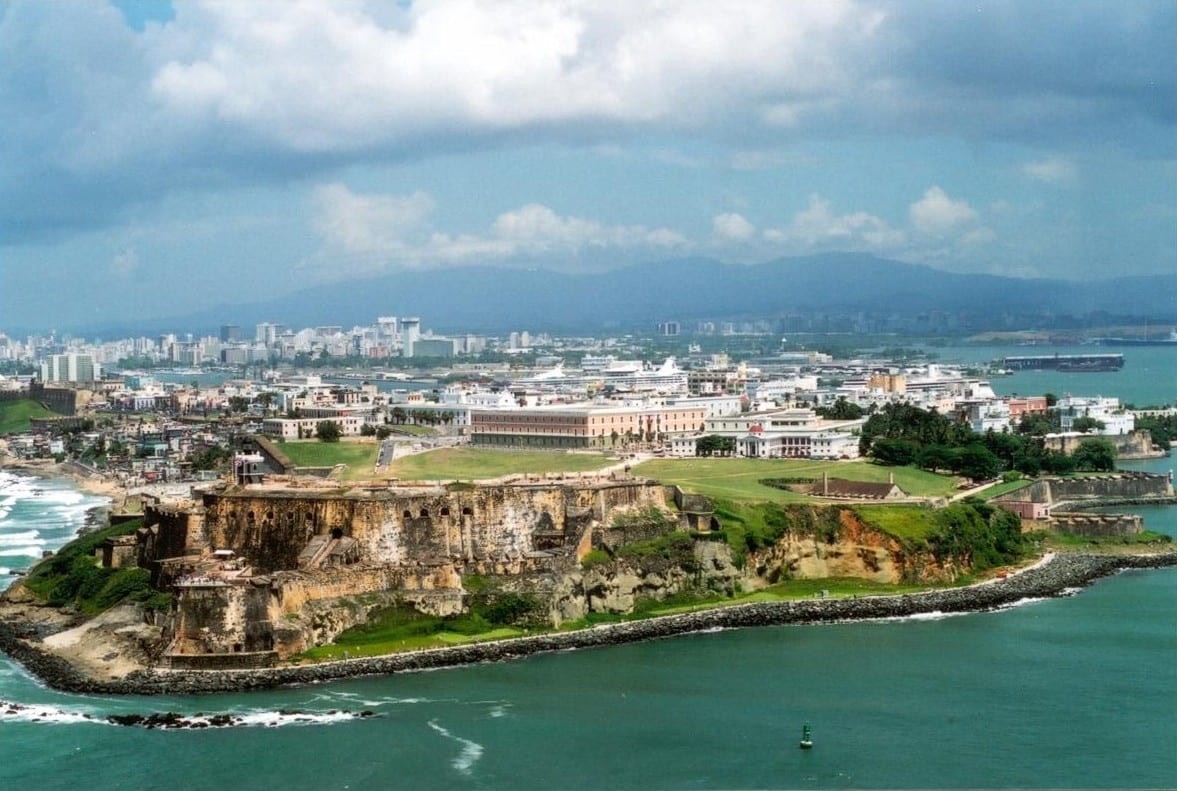
San Juan is the capital and economic heart of Puerto Rico, and the island's deepest, most liquid real estate market. As a U.S. territory, Puerto Rico imposes no restrictions on foreign or mainland ownership; non-residents buy freehold on identical terms to locals, closings run in English and Spanish, and the U.S. dollar is the currency. Act 60 (consolidating the former Acts 20 and 22) continues to draw high-net-worth relocatees, who must acquire a primary residence within two years of their decree, fueling demand in luxury enclaves like Condado. In 2026 the San Juan metro median sits near $654,000 with luxury oceanfront stock reaching $900,000-plus and an average around $527 per square foot. Gross apartment yields run roughly 3.5%-5.2% in the urban core (city average about 4.2%), while beachfront Isla Verde clears 6.7%-8% on short-term rental demand. Island-wide luxury appreciation held at 6%-14% year-over-year into Q1 2026, with Condado prices up 38%-65% since 2020. Short-term rental rules tightened under municipal registration requirements, but tourism volume keeps occupancy strong. San Juan blends colonial-era trophy property in walled Old San Juan with full-service oceanfront towers in Condado and Isla Verde, giving investors both heritage scarcity and resort-grade rental cash flow.
Al Wakrah City Guide
Qatar
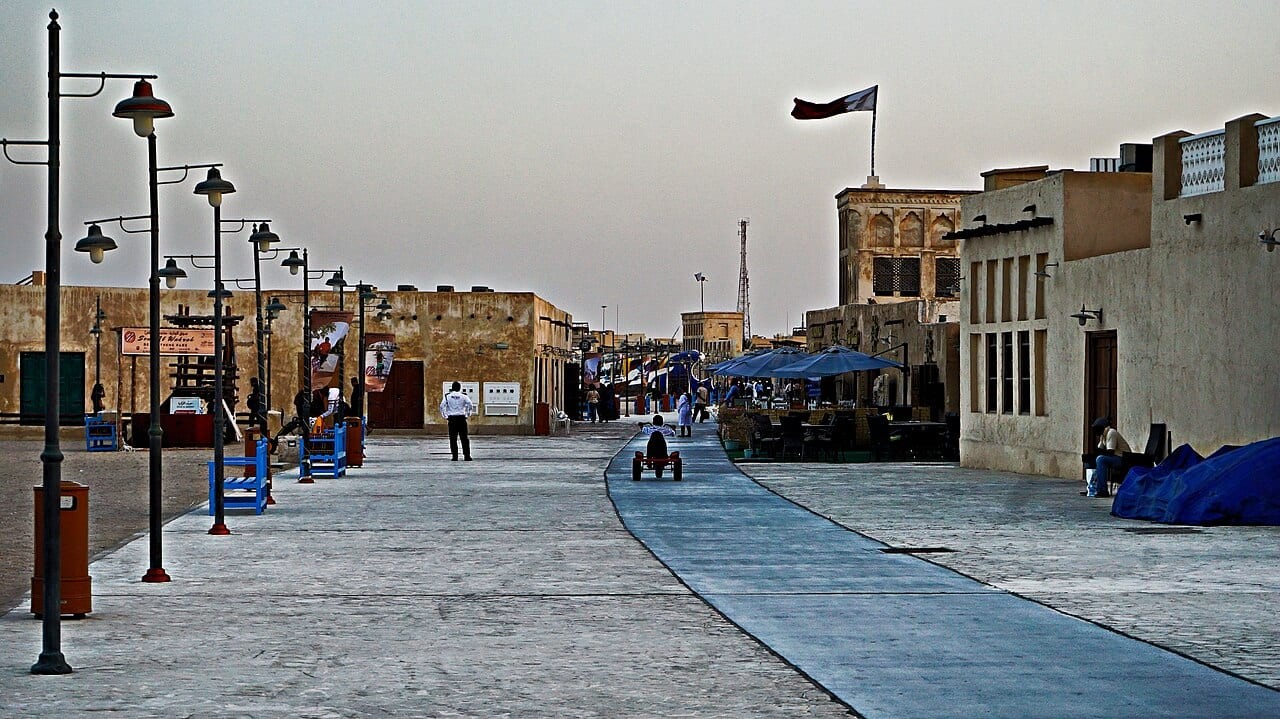
Al Wakrah is Qatar's second-oldest and second-largest municipality, a coastal town just south of Doha that has grown from a pearling and fishing settlement into an affordable commuter and family destination, anchored by the restored 3 km Al Wakrah Old Souq and corniche. The market is value-oriented: mid-income housing is rising on the back of infrastructure spending, with prices up around 6% and gross rental yields typically in the 5-6% range. Foreign buyers should understand Qatar's zonal ownership system: under Law 16/2018, non-Qataris can own freehold only in designated zones and hold usufruct (up to 99 years) in others, and within Al Wakrah it is specific approved areas rather than the whole municipality that are open, so due diligence on the exact plot's status is essential.
Doha City Guide
Qatar
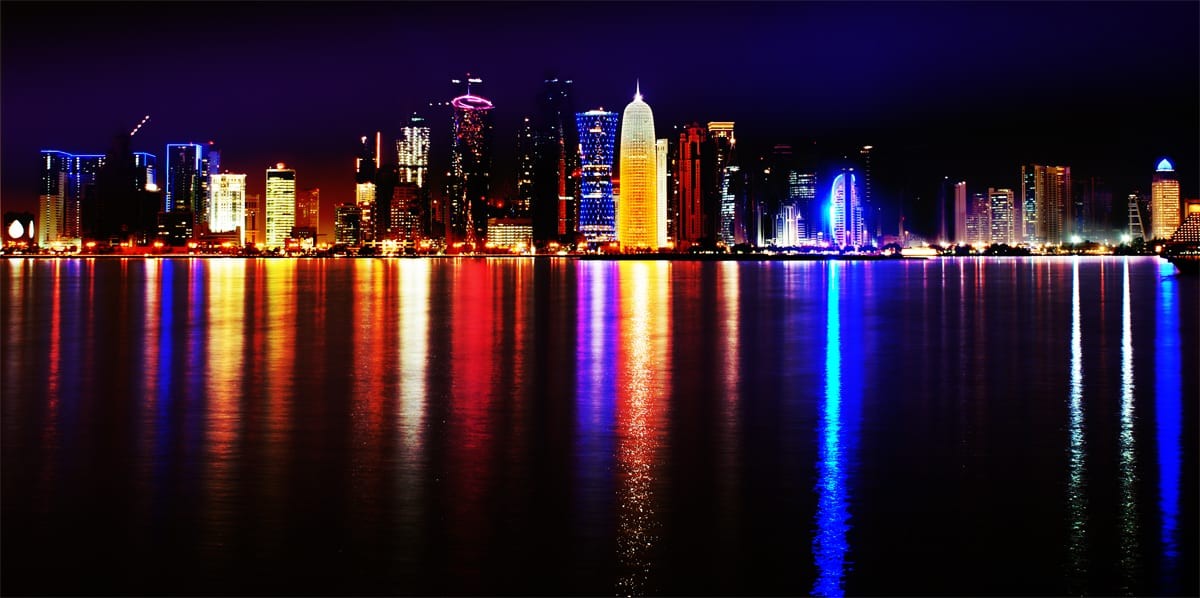
Doha is the capital of Qatar and one of the Gulf's fastest-maturing investment markets, transformed by a decade of pre-World Cup infrastructure and now stabilising into a more sustainable cycle. For foreign buyers, Qatar's freehold framework concentrates opportunity in designated zones - above all The Pearl-Qatar and Lusail City, the master-planned waterfront developments that define the prime segment. Apartment capital values reached around QAR 10,420 per square metre in 2025, with one-bedroom units in The Pearl and Lusail starting near QAR 2.1 million (about USD 577,000), while mid-tier districts such as Al Sadd offer entry points from roughly QAR 1.2 million. Yields are healthy by global standards: Qatar's average gross rental yield was around 5.17% in early 2026, with The Pearl apartments averaging 4.57% (range 3.21-6.58%) and Lusail averaging 5.7% (up to 6.92%). The market turned a corner in 2025 - residential transactions rose 13.2% quarter-on-quarter and 67.1% year-on-year in Q1, and leasing activity accelerated through the year as rents stabilised. The principal headwind is supply: an estimated excess of more than 80,000 units lingers from the construction boom, so investors should favour premium waterfront stock in The Pearl, Lusail, and Qetaifan Island, which commands a 15-30% price premium and sells materially faster than inland units.
Lusail City Guide
Qatar
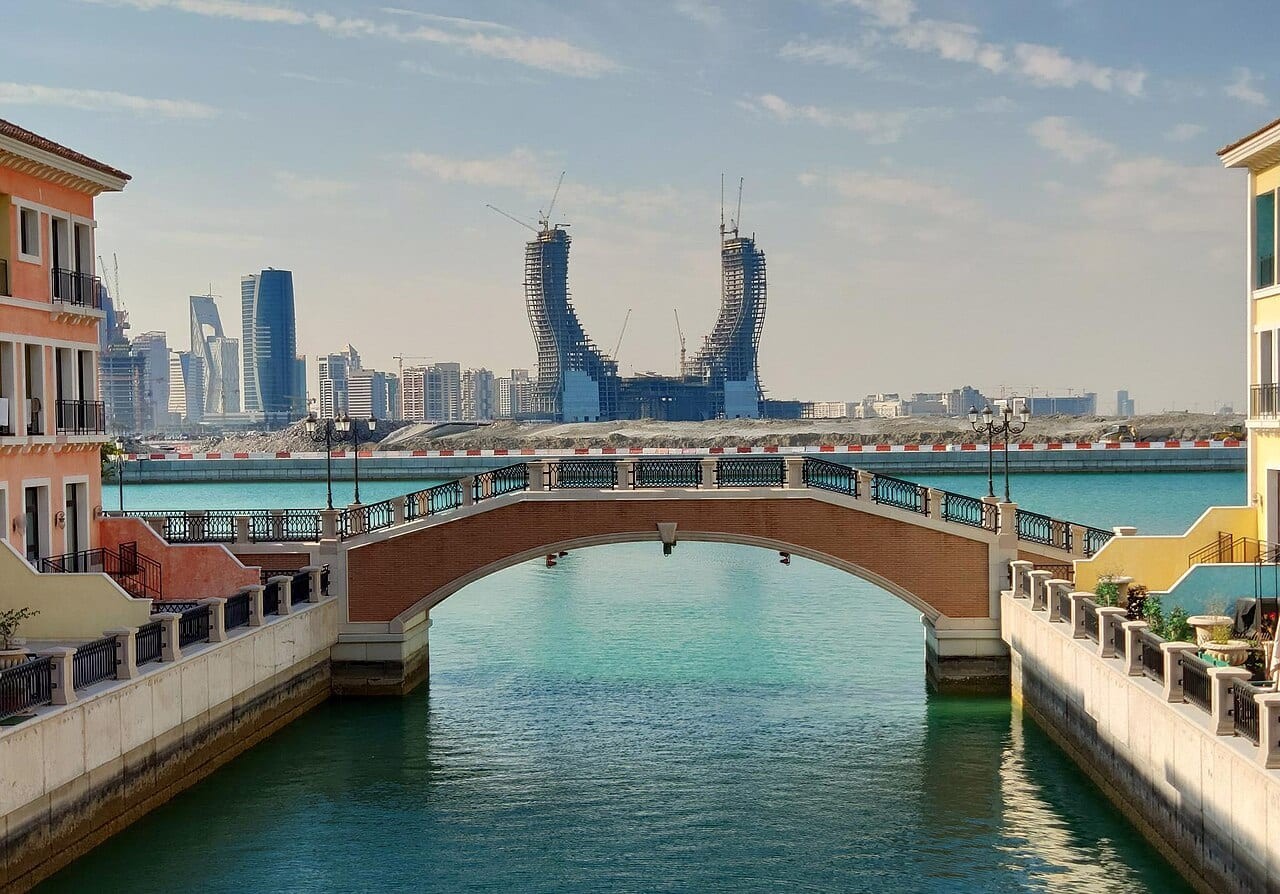
Lusail is Qatar's flagship planned smart city, a 38-square-kilometre development immediately north of Doha conceived around intelligent transport, district cooling, renewable power, and mixed-use waterfront districts. Designed to house more than 200,000 residents and employ around 170,000, it hosted the 2022 FIFA World Cup final at Lusail Stadium and is one of the Gulf's most ambitious urban projects. For foreign investors it is a designated freehold zone where non-Qataris can own property outright and qualify for residency tied to ownership. Apartment values held steady at roughly QAR 10,175 per square metre in Q1 2025, with marquee districts driving demand: the Marina District's waterfront towers, the more affordable Fox Hills mid-rise community, the Waterfront District (around 95% leased), and Energy City. Lusail residential prices rose about 7% in 2024, with luxury segments forecast to grow 10-12% in 2025 as delivery accelerates. Gross apartment yields average around 5.7%, with prime one- and two-bed units reaching 6-7%. Backed by Qatari Diar and billions in committed infrastructure, Lusail enters 2026 as the headline new-build investment address in Qatar, a stable, tax-light, US-dollar-pegged Gulf market.
Bucharest City Guide
Romania
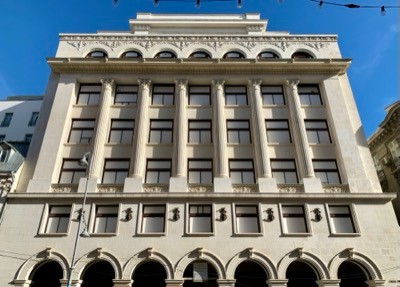
Bucharest (București) is Romania's capital and largest city — population 1.72M (city) / 2.27M (metro) — and the EU's 6th-largest capital. Founded ~14th century, the city earned the moniker 'Little Paris' for its Belle Époque + interwar modernist architecture before Communist-era construction layered massive boulevards + the Palace of the Parliament (world's heaviest building) onto the cityscape. Modern Bucharest combines this layered architecture with rapidly-growing IT/banking/professional services employment. Average property prices reached €2,204/m² in December 2025 (+16.6% YoY), with prime Sector 1 districts (Aviatorilor, Primăverii, Floreasca, Herastrau) at €4,600-€4,900/m² and yields among Europe's most attractive at 7.73-8.04% average.