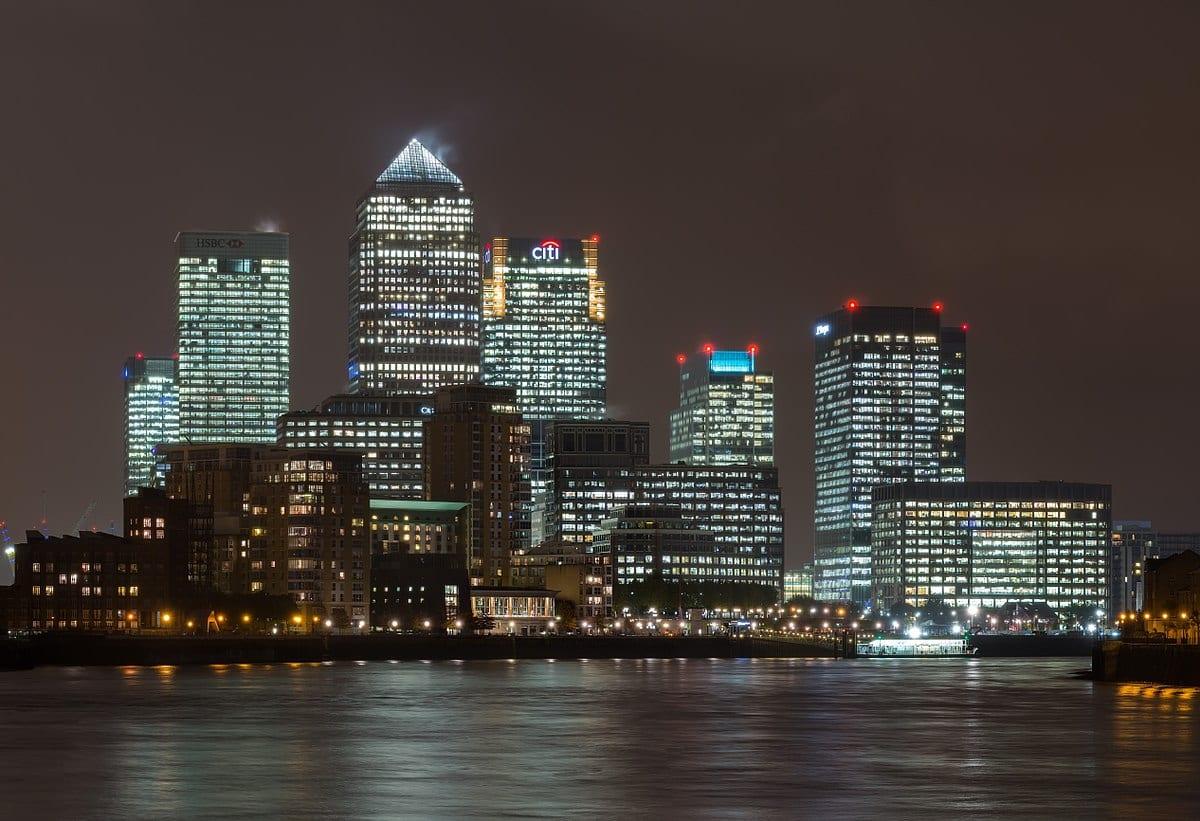

Canary Wharf / Isle of Dogs
London's purpose-built financial quarter, now reinventing itself as a connected riverside neighbourhood with the Elizabeth Line at its centre.
On INTRIC now — Residences in London are open to enquiry straight from this page.

Figures are indicative and subject to change. Regulations, taxes and market conditions vary by jurisdiction. Do your own due diligence and seek independent legal and financial advice.
More in London
All neighbourhoods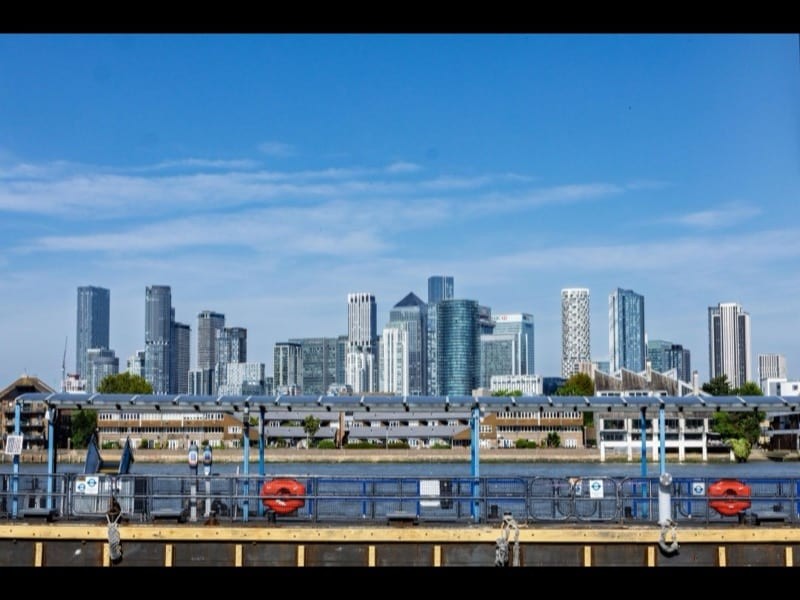
Canary Wharf
Neighbourhood · London
Dynamic waterfront financial district offering modern living, strong rental yields, and excellent transport links
Waterfront LivingFinancial DistrictModern Architecture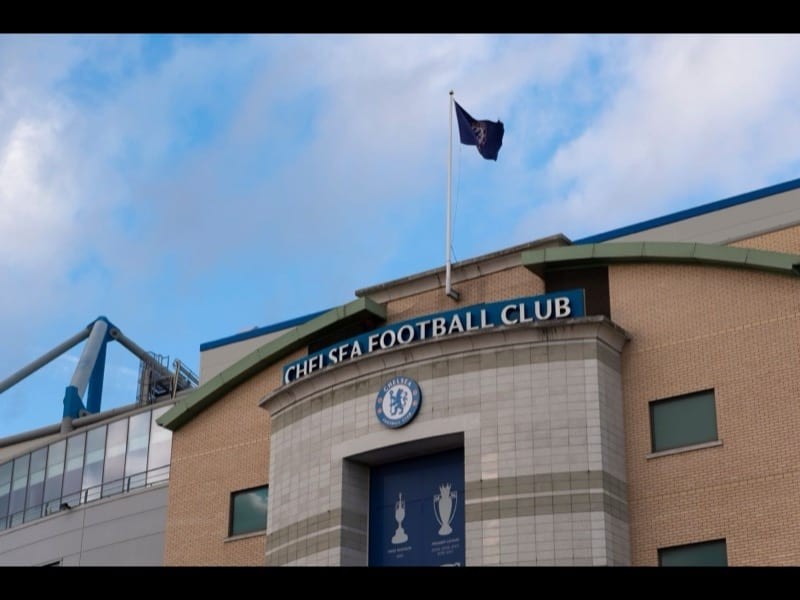
Chelsea
Neighbourhood · London
Iconic and affluent London village with the legendary King's Road, beautiful terraces, and a rich cultural heritage
King's RoadAffluentThames-Side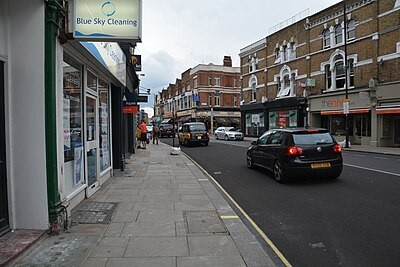
Fulham & Sands End
Neighbourhood · London
Inner London's enduring family heartland — Victorian terraces, two Premier League stadiums, and one of the city's strongest independent-school catchments.
Prime South-WestRiversideFamily Favourite